
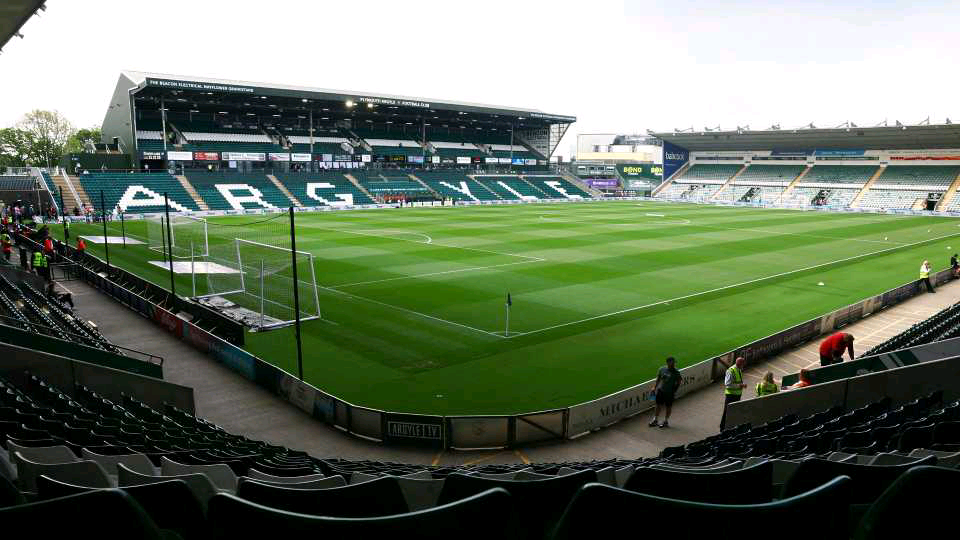
What Happened to Plymouth Argyle’s Ambitious 46,000-Seat Stadium Plans?
For much of their modern history, Plymouth Argyle have experienced a mixture of highs and lows. Supporters of the Devon club will be hoping the coming years bring greater stability both on and off the pitch, especially if the Pilgrims are to mount a successful push for promotion back to the Championship.
After suffering relegation from the second tier at the end of the 2024/25 campaign, Argyle currently find themselves competing in League One once again. The 2025/26 season began in disappointing fashion, but under the guidance of Tom Cleverley the team has gradually steadied itself and still holds a slim but realistic chance of finishing inside the play-off positions. If they can put together a strong run of results in the final stretch of the campaign, Plymouth could yet challenge for an immediate return to the Championship.
Home Park: The Heart of Plymouth Argyle
Argyle have called Home Park their home since 1903, and the historic stadium has played a major role in the club’s identity and success over the years. With a capacity of around 17,900, the ground may not be among the largest in English football, but it is widely regarded as one of the most atmospheric venues in the lower leagues when the Pilgrims’ supporters are in full voice.
In recent seasons, the stadium has undergone gradual improvements, helping modernise parts of the venue while retaining its traditional character. However, Home Park could have looked dramatically different today had ambitious plans put forward more than a decade ago come to fruition.
The Vision of a 46,000-Seat Stadium
Back in 2018, Plymouth found itself at the centre of an exciting proposal linked to England’s bid to host the FIFA World Cup. The Football Association selected Plymouth as one of the potential host cities, and Home Park was earmarked as a venue that could stage matches during the tournament.
As part of that proposal, there were plans to significantly expand the stadium’s capacity to an astonishing 46,000 seats—more than double its current size. The redevelopment would have transformed Home Park into one of the largest football stadiums in the south-west of England and positioned Plymouth as a major sporting destination.
But the plans did not stop at the stadium itself. The wider vision included a £150 million redevelopment project around the stadium complex. Proposed developments included retail outlets, restaurants, a hotel, and even an indoor ice rink, creating a vibrant sports and entertainment district in the area surrounding Home Park.
Infrastructure improvements were also discussed as part of the wider regeneration project. These included the construction of a new pier and a tram system to improve transport links across the city. In addition, Plymouth hoped to attract other high-profile international events, such as sailing competitions linked to the prestigious America’s Cup.
Had England’s World Cup bid been successful, Plymouth was scheduled to host four tournament matches. The city would also have welcomed national team training camps and large fan festival events. Local officials believed the project could generate approximately £292 million for the regional economy while creating around 3,700 jobs.
The Collapse of England’s World Cup Dream
Despite the ambitious vision and significant planning, the project ultimately depended on England winning the right to host the 2018 World Cup. When FIFA made its final decision, however, the tournament was awarded to Russia instead.
The announcement was a major disappointment not only for the FA but also for the cities that had invested time and money preparing their proposals. Plymouth was among those hardest hit by the failed bid.
According to reports from the Plymouth Herald, the city council lost around £700,000 following the unsuccessful campaign. The financial repercussions did not end there. The costs associated with the wider development plans reportedly left the city facing debts of around £17 million tied to the project.
These financial difficulties contributed to Plymouth Argyle entering administration, placing the club in one of the most challenging periods in its history.
Recovery and Rebuilding
The situation eventually stabilised when businessman James Brent and his Akkeron Group stepped in to secure the future of the club. Brent reached an agreement with the administrators to purchase Plymouth Argyle and helped steer the club away from potential collapse.
As part of the restructuring process, ownership of Home Park was transferred back to the city council, with Argyle paying an annual rent of around £135,000 to continue using the stadium.
Since then, Plymouth have gradually rebuilt both financially and competitively. The club has enjoyed periods of progress in recent years, including two seasons competing in the Championship. Although their most recent stay in the second tier was relatively short, the Pilgrims have shown signs that they are capable of returning stronger.
Looking Ahead
While the dream of a 46,000-seat Home Park never became reality, Plymouth Argyle have managed to recover from the difficulties that followed the failed World Cup bid. The club now appears to be on steadier footing, giving supporters hope that brighter days lie ahead.
With the 2025/26 League One season entering its decisive stages, Argyle fans will be eager to see their side produce a strong finish. Promotion back to the Championship at the first attempt would represent another important step in the club’s ongoing journey of recovery and growth.