Reds’ $12.75 Million Pitcher Enduring a Disastrous Contract-Year Slump
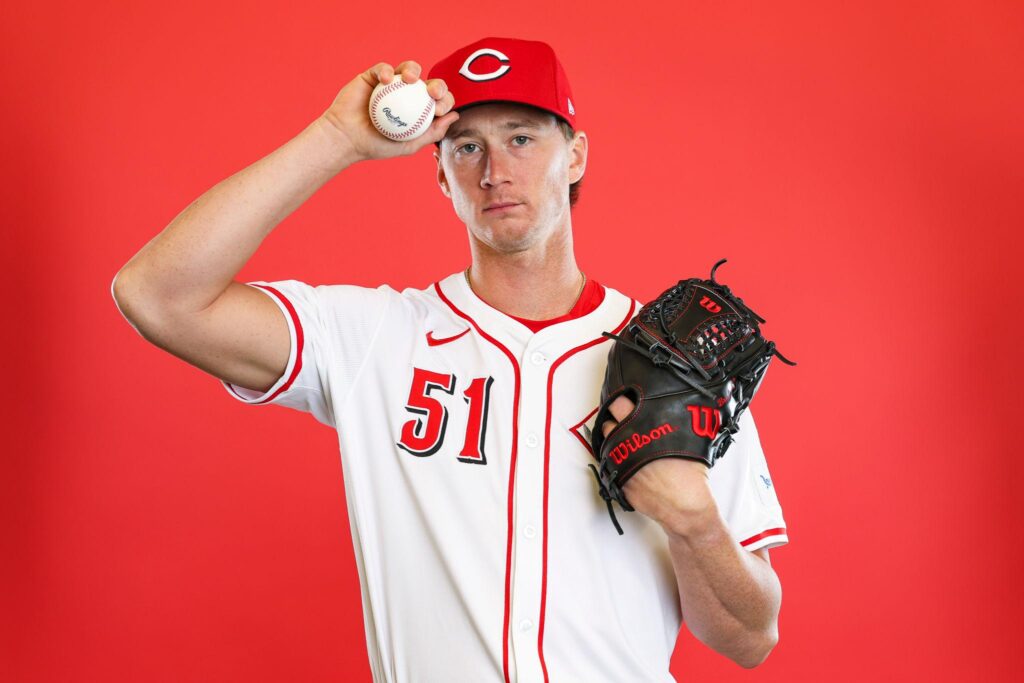
The Cincinnati Reds have struggled to meet expectations during the 2026 MLB season, sitting at 35-39 and finding themselves below the .500 mark. While several factors have contributed to the club’s disappointing campaign, one player has emerged as perhaps the biggest individual disappointment on the roster: veteran right-handed starting pitcher Brady Singer.
In a recent evaluation of all 30 Major League Baseball teams against their preseason expectations, sports analyst Kerry Miller identified Singer as the player the Reds were counting on far more heavily this season. The timing of his struggles could hardly be worse—not only for Cincinnati’s playoff aspirations but also for Singer’s personal financial future, as he is set to enter free agency after the conclusion of the 2026 season.
Contract-Year Expectations Have Turned Into Frustration
Coming into the season, there was considerable optimism surrounding Singer. The 29-year-old appeared poised to capitalize on years of steady improvement and potentially position himself for a lucrative long-term contract on the open market.
Miller noted that the Reds expected Singer to elevate his game in his final season before free agency. Instead, the right-hander has experienced a significant regression, allowing home runs at an alarming rate while producing the lowest strikeout numbers of his professional career. Those issues have contributed to a disappointing 5.32 ERA, a figure that has made him one of the least effective starters in Cincinnati’s rotation this season.
Decline From Previous Seasons
Singer’s recent track record suggested he was heading in the opposite direction. During his time with the Kansas City Royals, he posted a solid 3.71 ERA in 2024, demonstrating the consistency teams seek in a middle-to-upper rotation starter.
After being acquired by the Reds, he followed that performance with a respectable 4.03 ERA in 2025. While not dominant, those numbers reinforced the belief that he could command significant interest in free agency if he continued to progress.
Instead, the 2026 season has become a major setback. Through 14 starts, Singer has recorded a 5.32 ERA, and many of the underlying statistics suggest his struggles are even more severe than that number indicates.
Advanced Metrics Paint an Even Bleaker Picture
One of the most concerning aspects of Singer’s season has been his inability to keep the ball in the park. His home-run rate has skyrocketed to 5.6 percent, nearly doubling the highest mark he had posted in any previous season. Prior to 2026, he had never exceeded a 3.0 percent home-run rate, making this year’s figure a dramatic outlier.
His strikeout production has also fallen sharply. Singer currently owns a strikeout rate of just 17.1 percent, the lowest of his career. The only other season in which he posted a strikeout rate below 22 percent came in 2023, when he finished at 18.9 percent. The decline suggests he has struggled to generate the swing-and-miss stuff necessary to consistently retire hitters.
Even more troubling is his Fielding Independent Pitching (FIP) mark of 6.14. FIP is designed to measure a pitcher’s performance based on factors he can directly control, such as strikeouts, walks, and home runs. A FIP significantly higher than his ERA indicates that Singer may have actually benefited from some good fortune and that his results could have been even worse.
Additional indicators highlight the extent of his struggles:
- 5.32 ERA
- 6.14 FIP
- 1.606 WHIP
- Career-worst 11.3 hits allowed per nine innings
- Lowest strikeout rate of his career
- Highest home-run rate of his career
Taken together, those numbers paint the picture of a pitcher enduring the worst season of his major league career.
Free Agency Outlook Takes a Major Hit
The unfortunate reality for Singer is that this downturn comes at the worst possible moment. Players entering free agency often rely heavily on their most recent performance to maximize their market value, and a strong contract-year season can significantly increase earning potential.
Had Singer replicated the success he showed in 2024 and 2025, he likely would have entered the offseason as an attractive option for teams seeking reliable starting pitching. Instead, his declining performance has raised serious questions about his long-term value.
Unless he can turn things around during the second half of the season, his disappointing 2026 campaign could substantially reduce both the length and financial value of the contract offers he receives in free agency. For both Singer and the Reds, what was expected to be a pivotal season has instead become a year of frustration and missed expectations.